Best Blenders in Nigeria for Smoothies, Soups, Grinding, and Cooking Prep
If there’s one kitchen appliance almost every Nigerian home depends on, it’s the blender. Whether you’re making weekend smoothies, grinding pepper, prepping soups, crushing ice, processing vegetables, or making party jollof, a reliable blender is no longer a luxury — it’s a necessity.
But with hundreds of blenders on the Nigerian market in 2025 (3-in-1, 4-in-1, personal, industrial, immersion, and more), many people still ask the same question:
“Which blender is actually the best for my needs?”
This guide breaks down the best blenders in Nigeria, compares their features, price ranges, uses, and — most importantly — helps you choose the right blender for smoothies, soups, grinding, and daily cooking prep.
Whether you cook for one, have a family of six, or run a small business, this guide will help you make a confident buying decision.
Why This Guide Matters in 2025
Blender technology has improved massively in the last five years, with brands now offering:
- Stronger motors
- Multi-function attachments
- Energy-efficient designs
- Safer blades
- Bigger jars
- Better durability
And with rising food prep demands in Nigerian homes, the best blenders today can do far more than just blend pepper.
Some can juice.
Some can chop vegetables.
Some can grind grains.
Some can prepare soups.
Some can even process dough.
So instead of guessing, this buyer guide helps you compare every category and pick exactly what fits your cooking lifestyle.
1. Countertop Blenders (Everyday Family Blenders)
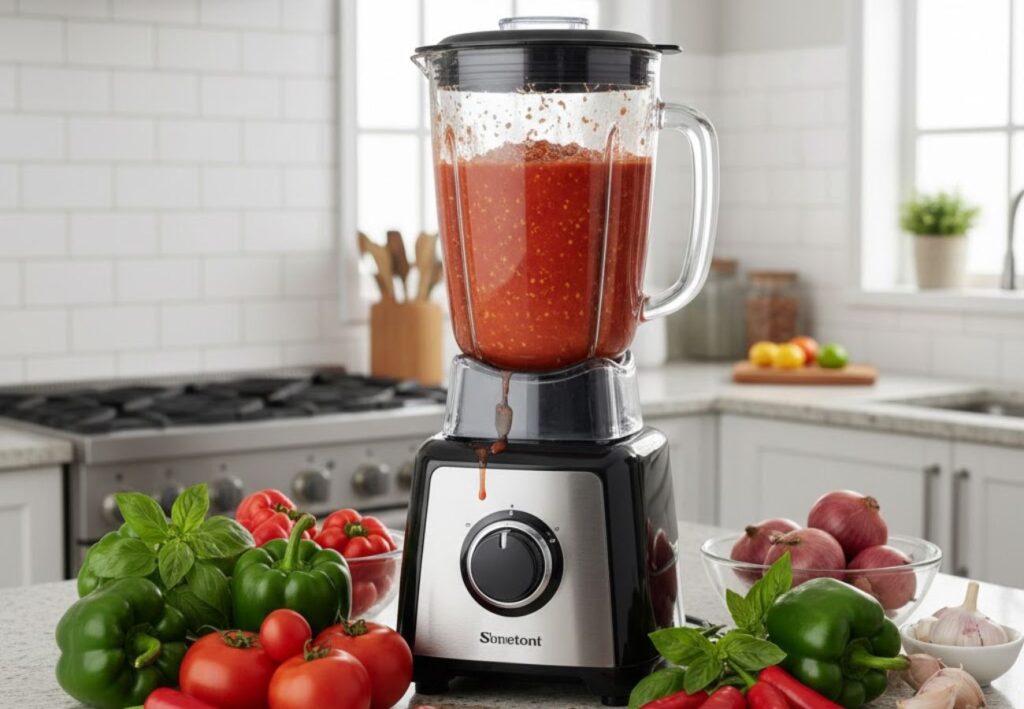
Best for: smoothies, soups, pepper, purees, baby food, everyday cooking
Price Range: ₦40,000 – ₦150,000
Countertop blenders are the classic “big jar” blenders used in most Nigerian homes. They remain the most versatile and balanced option for daily cooking.
Key Features
- Medium–large jug size
- 300–700W motors
- Can blend fresh pepper, tomatoes, onions
- Great for smoothies and fruit blends
- Easy to clean
- Affordable
Best for Nigerian Homes Because:
They handle daily pepper blending, stew prep, smoothies, and light grinding without stressing the motor.
Who Should Buy
- Students
- Small families
- Anyone who needs a reliable everyday blender
2. 3-in-1 Blenders (Blend + Grind + Chop)
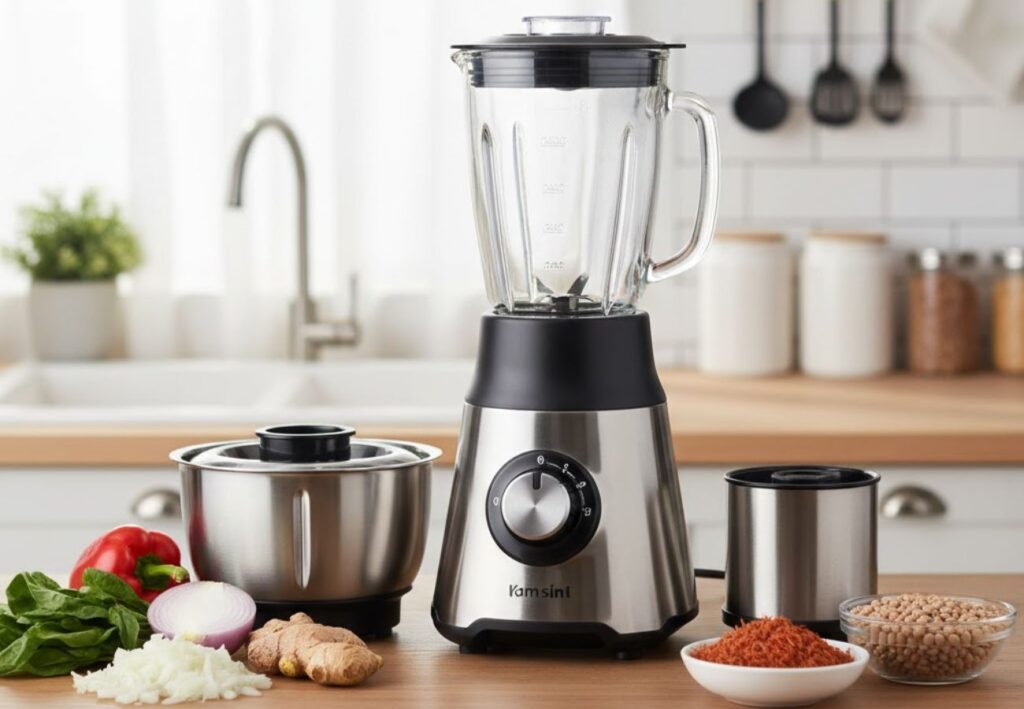
Best for: grinding dry foods, blending pepper, chopping vegetables
Price Range: ₦50,000 – ₦150,000
A 3-in-1 blender is a step up from a basic blender. It comes with additional jars, making it ideal for cooks who need more than blending.
Attachments Typically Include:
- Main blender jar
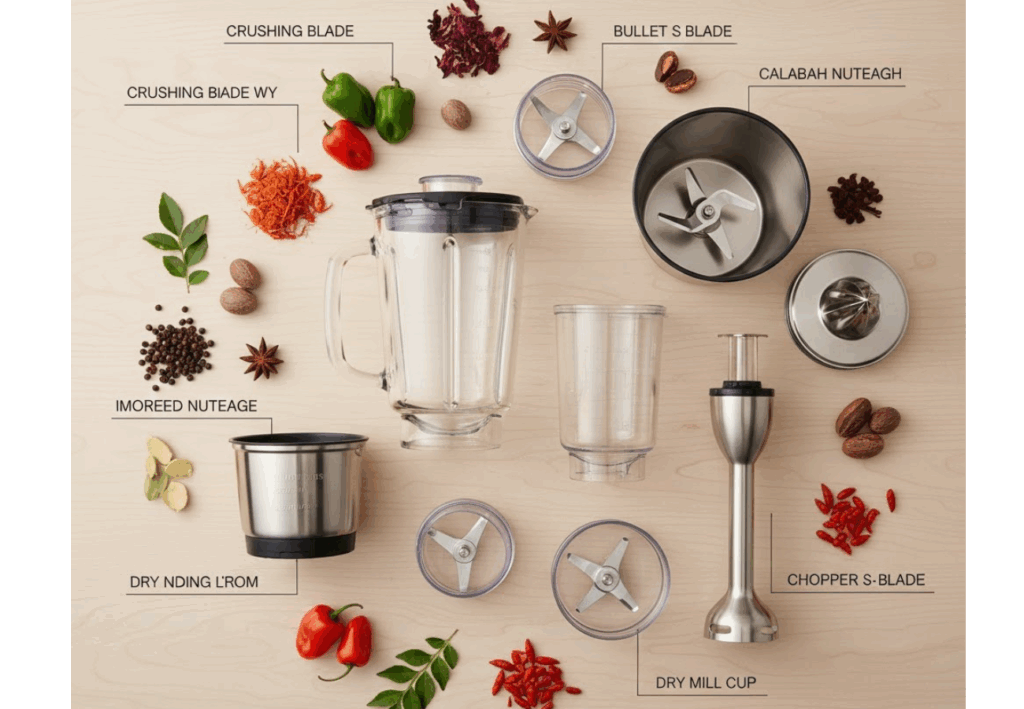
- Dry mill (for grinding ogbono, crayfish, nuts, beans, spices)
- Chopper jar (for onions, veggies, herbs)
Why Nigerians Love 3-in-1 Blenders
They replace multiple kitchen tools and save counter space. The dry mill alone is a lifesaver for grinding small portions without needing to visit the market.
Perfect For:
- Home cooks
- People who grind small quantities often
- Anyone who wants a multi-use blender without spending too much
3. 4-in-1 Blenders (The Complete Kitchen Workstation)
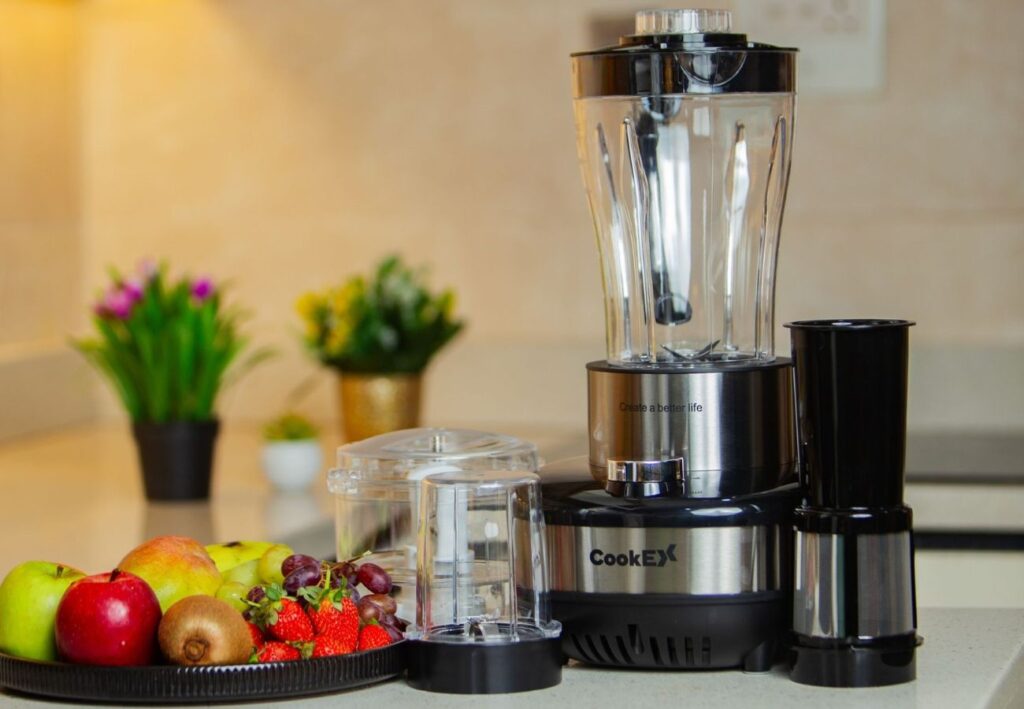
Best for: juicing, chopping, grinding, blending, full meal prep
Price Range: ₦80,000 – ₦500,000
This is where power meets versatility. A 4-in-1 blender includes everything a 3-in-1 has, plus an extra attachment like:
- A juicer cup
- A slicer
- A grater
Why 4-in-1 Blenders Are the Most Valuable in 2025
Nigerians are multitasking more than ever — from quick cooking to food prep for kids, smoothies, breakfast, and meal prepping. A 4-in-1 blender acts as:
- Blender
- Grinder
- Food processor
- Juicer
All in one machine.
Best For:
- Families
- People who cook large meals
- Meal preppers
- Health-conscious users
- Anyone who wants maximum value
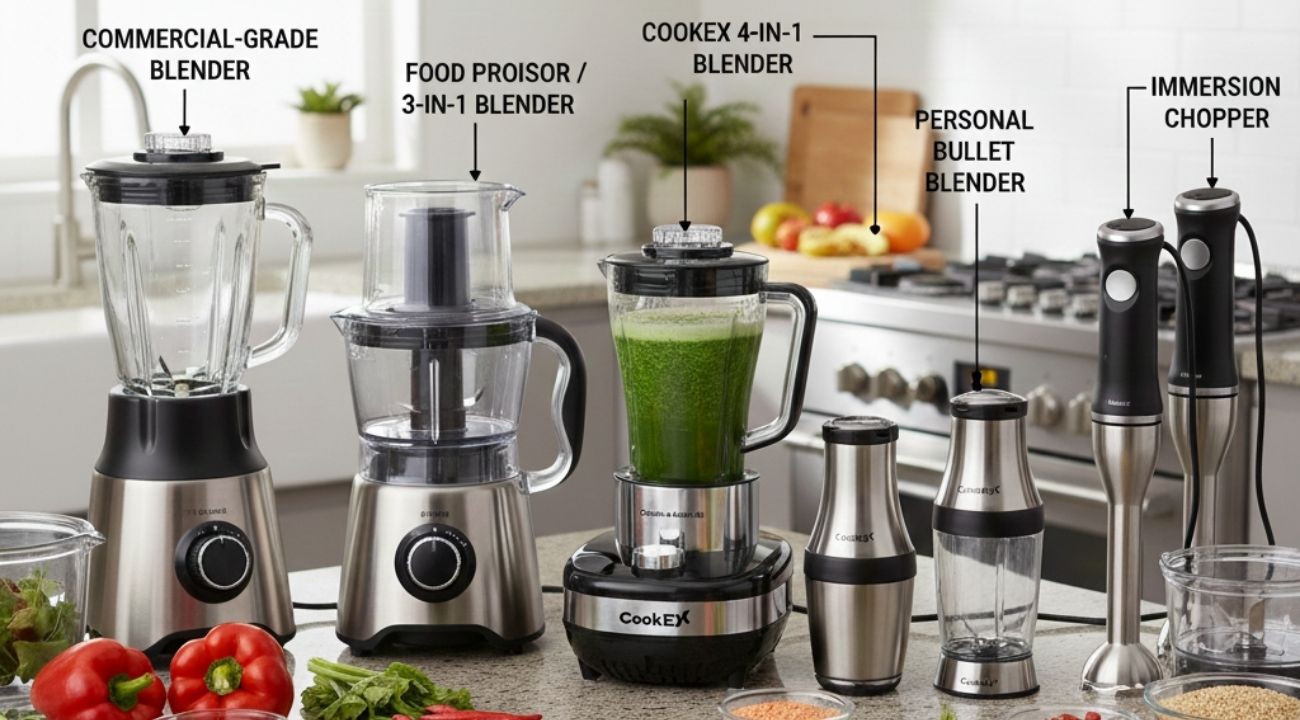
Recommended Option: CookEX 4-in-1 Blender
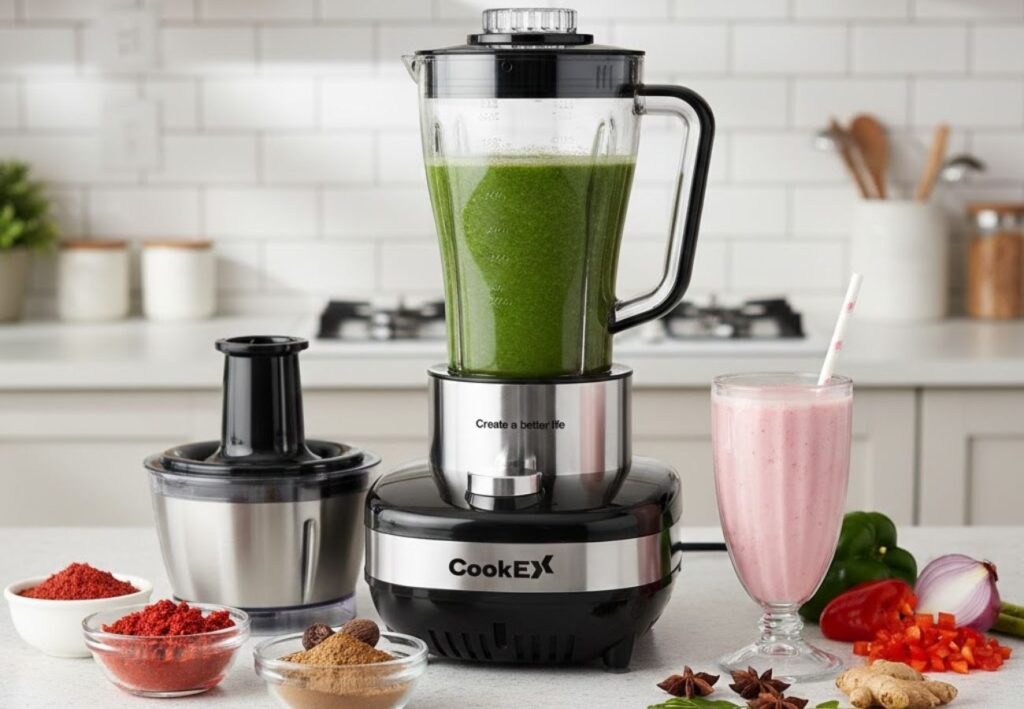
The CookEX 4-in-1 Blender stands out because of its:
- Powerful motor (built for Nigerian use)
- Durable blades
- Multi-purpose attachments
- Ability to blend hard foods
- Strong casing for long life
It is especially great for grinding, blending soups, making smoothies, and prepping vegetables.
4. Personal (Bullet) Blenders
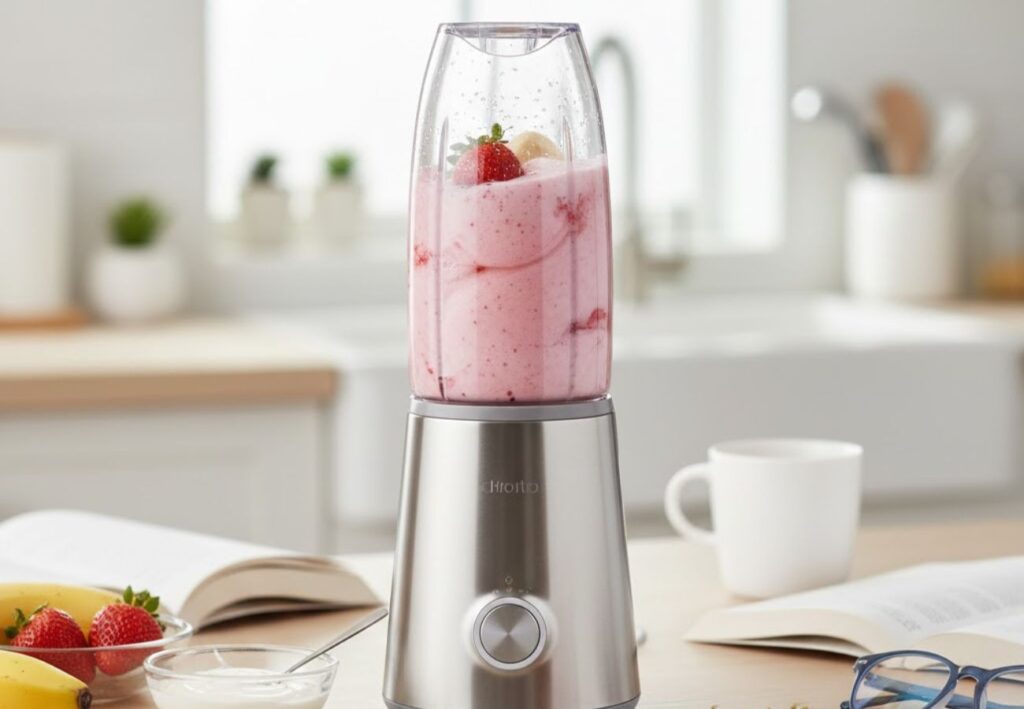
Best for: single-serve smoothies, shakes, quick blends
Price Range: ₦25,000 – ₦80,000
These compact blenders are great for health enthusiasts, smoothie lovers, and students.
Why People Choose Bullet Blenders
- Very fast
- Portable
- Minimal noise
- Easy to clean
- Perfect for one-person use
Limitations
- Not ideal for heavy-duty cooking
- Small cups
- Cannot grind tough Nigerian ingredients like beans or ogbono
If your goal is convenience and quick breakfast smoothies, this is an excellent type.
5. Immersion (Hand) Blenders
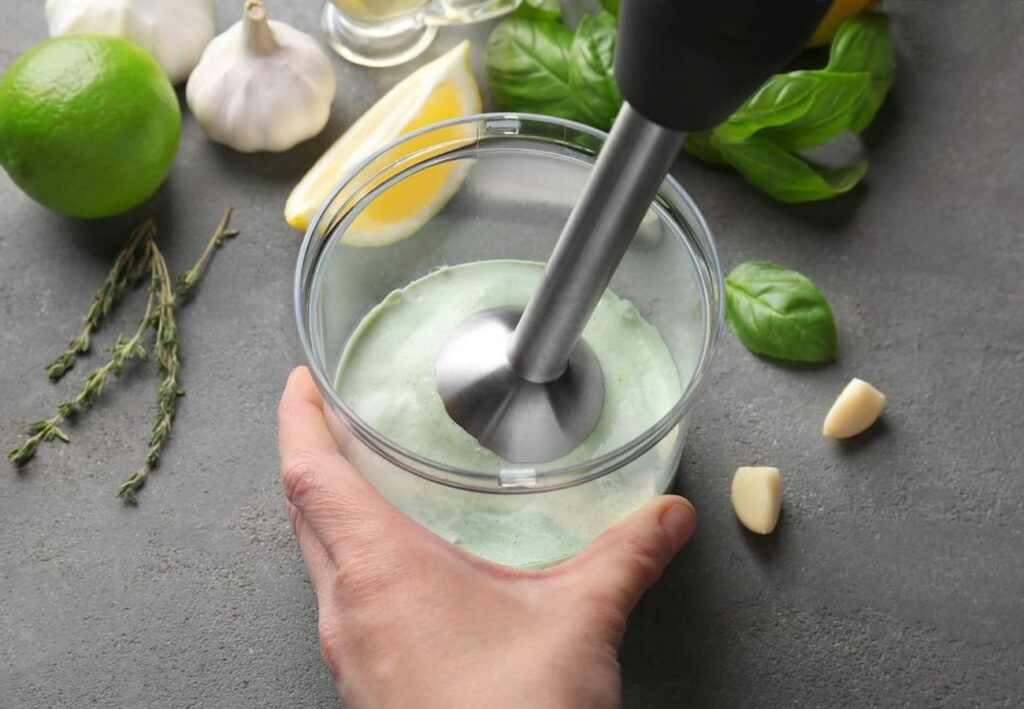
Best for: soups, purees, sauces
Price Range: ₦20,000 – ₦60,000
These stick blenders are handheld, and you simply insert them inside your pot or bowl. They are popular among chefs and modern home cooks.
Perfect For:
- Blending soup inside the pot
- Smooth purees
- Baby food
- Sauces
- Whipping cream
Limitations
- Cannot grind
- Cannot crush ice
- Not built for pepper or tough ingredients
They are best used as a secondary blender for special tasks.
6. High-Performance Blenders (Industrial-Grade)
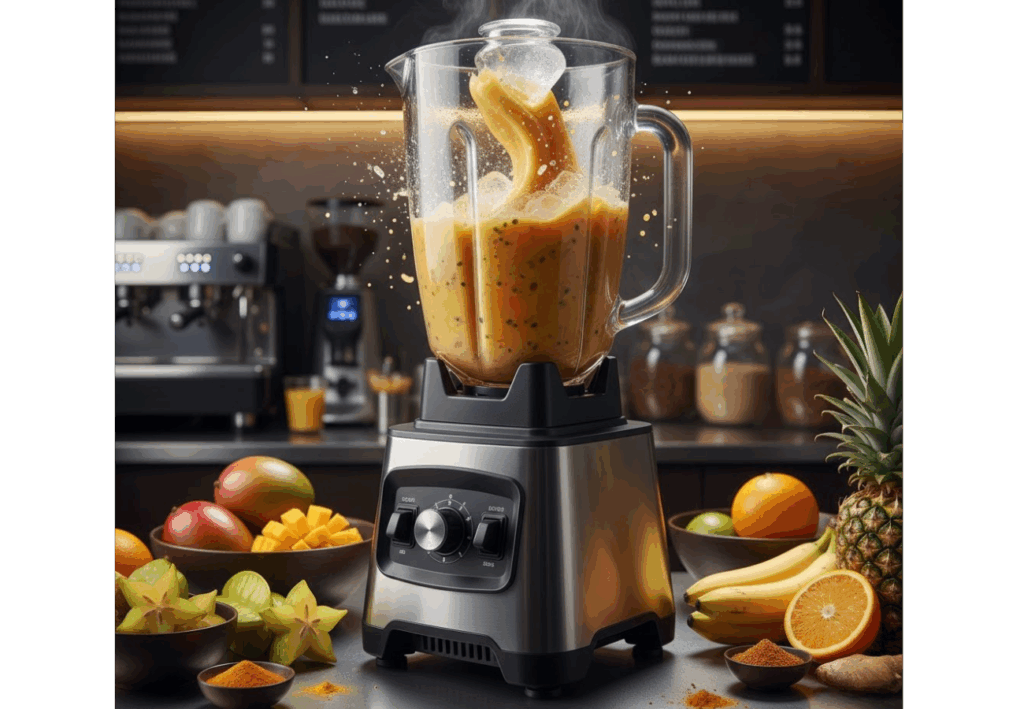
Best for: crushing ice, blending frozen fruits, commercial smoothies, grinding nuts
Price Range: ₦120,000 – ₦700,000
These blenders have motors up to 1500–2000W and are ideal for:
- Smoothie businesses
- Cafés
- Large households
- Heavy cooking
Pros
- Fastest blending
- Extremely smooth texture
- Can handle any ingredient
- Durable
Cons
- Expensive
- Often large
- Very loud
If you run a business or have a large family, this is worth the investment.
7. Soup Makers (Blend + Heat + Cook)
Best for: cooking and blending hot soups
Price Range: ₦60,000 – ₦160,000
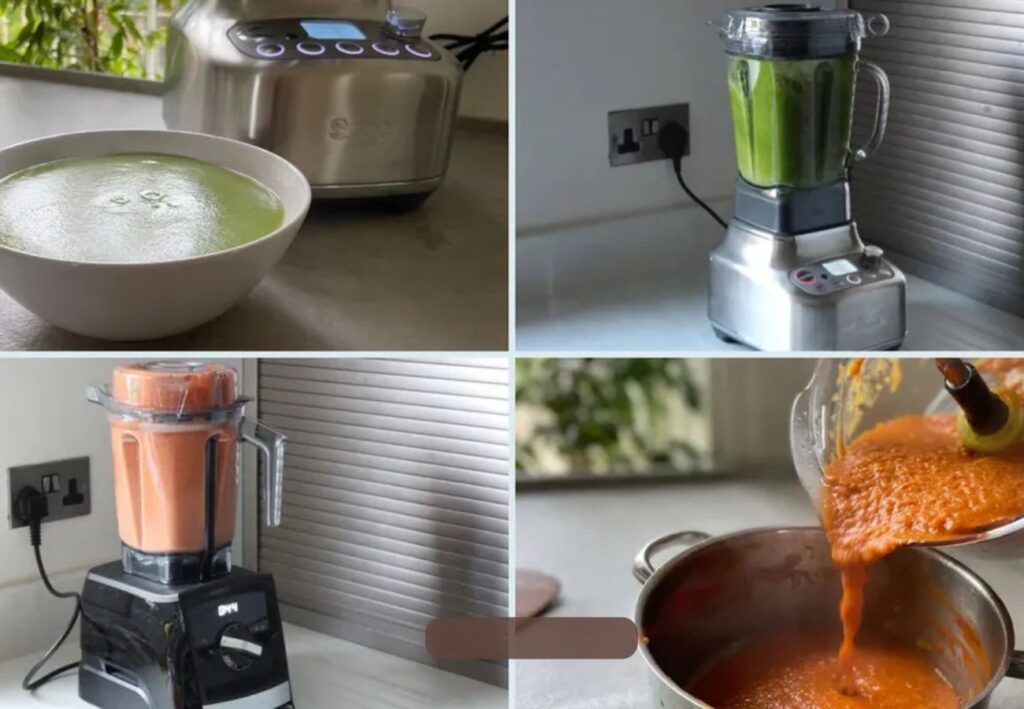
Soup makers blend and heat at the same time. Imagine pouring ingredients into a jar — and 15 minutes later you have perfectly blended, piping hot soup.
Best For:
- Busy moms
- Health-focused families
- Quick evening meals
Though still new in Nigeria, they are catching on fast.
How to Choose the Best Blender for Your Kitchen (2025 Guide)
Before buying, consider these factors:
1. Motor Power
- Light use: 300–500W
- Family use: 600–800W
- Heavy use: 1000W+
2. Jar Material
- Glass (premium, stable, but heavy)
- Plastic (light, common, affordable)
- Steel (durable but not see-through)
3. Blade Quality
Stainless steel is non-negotiable.
4. Attachments
Choose based on your lifestyle:
- Smoothies → Personal blender
- Grinding → 3-in-1
- Full meal prep → 4-in-1
- Commercial needs → High-performance blender
5. Warranty
Trustworthy blenders offer 6–12 months warranty.
6. Price Range
Based on Nigerian 2025 prices:
- Basic blenders: ₦40k–₦80k
- Mid-range: ₦80k–₦150k
- High-end: ₦150k–₦500k
So… Which Blender Is the Best for You?
✔ Best for Smoothies: Personal/Bullet Blender
✔ Best for Pepper and Daily Cooking: 3-in-1 Blender
✔ Best All-Rounder for Families: 4-in-1 Blender
✔ Best for Grinding: 3-in-1 or High-Performance Blender
✔ Best for Soups: Immersion Blender
✔ Best Long-Term Investment: CookEX 4-in-1 Blender
Why the CookEX 4-in-1 Blender Stands Out (2025 Nigeria)
Based on the buyer guide in your file, the CookEX 4-in-1 Blender offers:
- Heavy-duty motor for Nigerian foods
- Multi-function jars
- Smooth blending for smoothies and soups
- Strong grinding performance
- Durable construction
- Affordable pricing
- Great for cooking prep
It replaces:
- Your blender
- Your grinder
- Your food processor
- Your juicer
All in one unit.
Conclusion
There is no single “perfect blender.”
There is only the perfect blender for YOU.
If you:
→ Blend smoothies every morning
Choose a personal bullet blender.
→ Grind pepper and prep meals frequently
Choose a 3-in-1 blender.
→ Want maximum value and versatility
Choose a 4-in-1 blender like CookEX.
→ Run a business
Choose a high-performance blender.
As long as your blender matches your daily cooking habits, you’ll get the best results, save money, and enjoy stress-free food prep.